Gorilla Trekking in Rwanda places you within a few meters of wild mountain gorillas in the misty forests of Volcanoes National Park. It is one of the most sought-after wildlife encounters on the planet. But before you book, you need clear answers on permits, cost, difficulty, and timing.
This guide breaks down everything worth knowing about Gorilla Trekking in Rwanda in 2026.
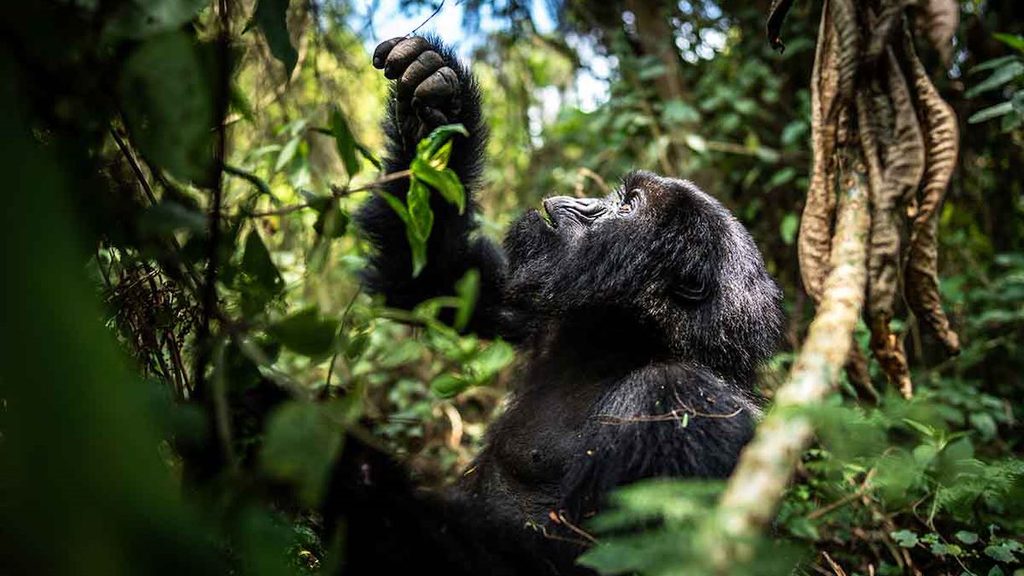
Table of Contents
What Is Gorilla Trekking in Rwanda?
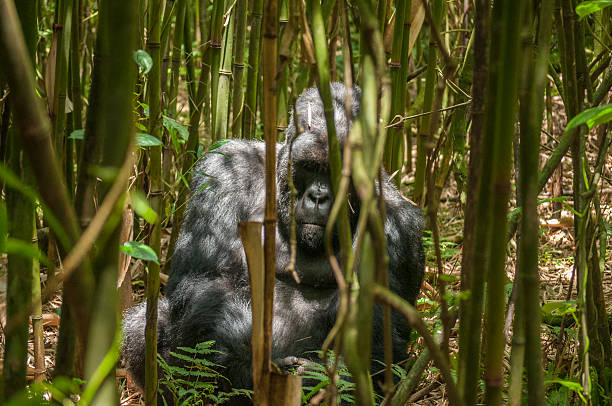
Gorilla Trekking in Rwanda is a guided forest hike to visit a habituated family of wild mountain gorillas. You walk with an experienced ranger and a team of trackers. Once the family is located, you spend one carefully timed hour observing them in their natural habitat.
Unlike a typical game drive, this experience happens entirely on foot. The forest is steep, green, and often wrapped in mist. That atmosphere is part of what makes Gorilla Trekking in Rwanda feel so different from a standard safari.
Mountain gorillas are endangered, and only three countries offer this experience: Rwanda, Uganda, and the Democratic Republic of Congo. Rwanda’s program is widely regarded as the most polished and accessible of the three. That reputation is a major reason travelers choose Gorilla Trekking in Rwanda over other options.
Where Does Gorilla Trekking in Rwanda Take Place?
All Gorilla Trekking in Rwanda activities happen inside Volcanoes National Park, near the town of Musanze and the village of Kinigi. The park sits roughly two to three hours by road from Kigali, Rwanda’s capital. That short drive is one of the practical advantages of choosing Rwanda over neighboring countries.
Volcanoes National Park is part of the wider Virunga Massif, a chain of volcanic mountains shared with Uganda and the Democratic Republic of Congo. The park is home to twelve fully habituated gorilla families available for trekking. Each family allows a maximum of eight visitors per day, which caps daily permits at roughly ninety-six.
That limit keeps Gorilla Trekking in Rwanda a low-volume, high-value experience. It also means permits sell out quickly during peak months. Booking early is one of the simplest ways to secure your preferred date.
Trekkers gather each morning at the park headquarters in Kinigi at around 7:00 a.m. Rangers assign each group to a gorilla family, partly based on fitness level and trekking preference. From there, the actual hike into the forest begins.
How Much Does Gorilla Trekking in Rwanda Cost in 2026?
Cost is usually the first question travelers ask about Gorilla Trekking in Rwanda. The permit is the single largest fixed expense, and pricing depends on your nationality and the season.
1. Standard International Permit
For most foreign visitors, a Gorilla Trekking in Rwanda permit costs US$1,500 per person. This rate applies year-round to international, non-resident travelers. It covers a single one-hour visit with one habituated gorilla family.
2. Regional and East African Rates
Rwanda operates a tiered pricing structure designed to support regional tourism. Foreign residents of Rwanda typically pay around US$500 for a permit. Rwandan citizens and East African Community citizens can access a promotional rate of around US$200, outside peak season.
These reduced rates generally do not apply during the busiest travel months, roughly June through October. Always confirm current pricing and eligibility with your safari operator before booking. Rates can be adjusted by the Rwanda Development Board with limited notice.
3. Multi-Park Discount
Travelers combining Gorilla Trekking in Rwanda with a visit to Akagera or Nyungwe National Park may qualify for a discounted permit. This multi-park rate can bring the standard fee down by around 30 percent, to roughly US$1,050. The discount typically applies during the low season, from November through May.
4. Double Gorilla Trekking
For travelers who want more time with the gorillas, Rwanda also offers a double trekking option. This allows two separate treks to two different gorilla families over two consecutive days. The combined permit cost for double Gorilla Trekking in Rwanda is typically around US$3,000 per person.
Beyond the permit, your total trip cost will also include accommodation, transport, meals, guiding fees, and tips. Budget safaris built around Gorilla Trekking in Rwanda can start from around US$1,200 per person. Luxury itineraries with premium forest lodges can run well beyond US$4,000 per person.
https://rwandaguide.app/rwanda-gorilla-permit-cost
What Does the Gorilla Trekking Permit Include?
A common misunderstanding is that the permit covers your entire trip. It doesn’t.
Your Gorilla Trekking in Rwanda permit fee includes:
- Park entrance for the day of the trek
- Ranger and tracker services
- One hour of guided observation with a habituated gorilla family
- A contribution toward conservation and community programs
It does not include:
- Accommodation
- Transport to and from Volcanoes National Park
- Meals
- Porter services
- International flights or visa fees
Understanding this distinction matters when comparing quotations from different operators. A cheaper headline price may simply be excluding services another quote already includes.
How Difficult Is Gorilla Trekking in Rwanda?
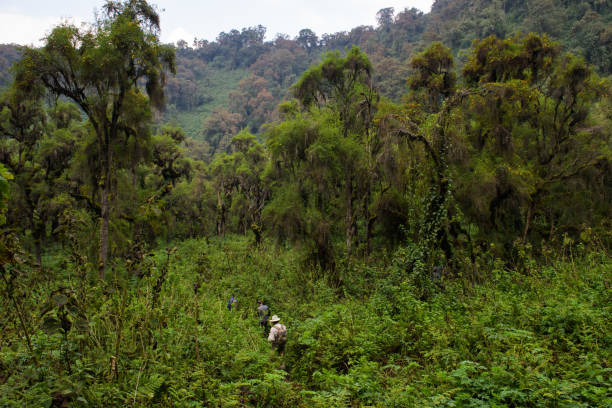
Gorilla Trekking in Rwanda is a physical activity, not a passive wildlife viewing experience. The terrain inside Volcanoes National Park can be steep, muddy, and uneven. Trekking altitude typically ranges between 2,500 and 4,000 meters above sea level.
The hike to find a gorilla family can take anywhere from thirty minutes to four or more hours. It depends entirely on where the family is feeding or resting that morning. Rangers use radio updates from trackers already in the forest to guide each group efficiently.
Moderate fitness is generally recommended for all trekkers. The minimum age for Gorilla Trekking in Rwanda is 15 years old. Porters can be hired locally to help carry your daypack and support you along steeper sections.
Travelers with mobility concerns should discuss options with their operator before booking. Some families are located closer to the trailhead than others. Your fitness level is one factor rangers consider when assigning gorilla groups each morning.
Best Time for Gorilla Trekking in Rwanda
Gorilla Trekking in Rwanda is possible throughout the year, since Volcanoes National Park is a rainforest environment. That said, two dry-season windows are generally considered most favorable. These run from June through September, and again from December through February.
Trails tend to be firmer and less slippery during these drier months. Wildlife visibility can also be a little easier away from the heaviest rains. However, dry season also means higher demand and a greater chance of fully booked permits.
The wetter months, roughly March to May and November, form Rwanda’s low season. Rainfall is heavier, but the forest is lush and often quieter. This is also typically when discounted multi-park permits become available.
There is no single “best” month for everyone. Your ideal timing depends on budget, crowd tolerance, and whether you’re combining the trek with other parks. A local safari specialist can help match the right season to your overall itinerary.
What to Pack for Gorilla Trekking in Rwanda
Good preparation makes a real difference on trekking day. Consider packing the following essentials for Gorilla Trekking in Rwanda:
- Sturdy, waterproof hiking boots with good ankle support and grip
- Long trousers and a long-sleeved shirt to protect against vegetation and insects
- A waterproof rain jacket, since weather can shift quickly in the forest
- Gardening or trekking gloves for gripping vines and branches on steep sections
- Insect repellent and a hat for sun protection
- A daypack with water, snacks, and a camera
- A valid passport, since rangers check identification before the trek begins
Porters are available at the park headquarters for a small fee. Hiring one is a practical way to make the hike easier and support the local community at the same time.
How Many Days Do You Need for Gorilla Trekking in Rwanda?
There is no single correct itinerary length for Gorilla Trekking in Rwanda. The right duration depends on whether you want a quick, focused trip or a fuller regional journey.
2–3 Days
A short trip works well if gorillas are your only priority. You fly into Kigali, transfer to Volcanoes National Park, trek, and return. This option suits travelers with limited vacation time.
4–5 Days
Adding a few extra days allows you to combine Gorilla Trekking in Rwanda with Kigali city sightseeing or Lake Kivu. You get the core experience without rushing through transfers. This is a popular middle-ground choice for many first-time visitors.
6+ Days
A longer trip allows a genuine multi-park circuit. You could pair gorillas with chimpanzee tracking in Nyungwe, then close the trip with a Big Five safari in Akagera. For travelers who want to see more of Rwanda beyond the forest, this option delivers the most complete picture.
The best length is simply whichever gives you enough time to enjoy each stop without feeling rushed. A rushed circuit rarely improves the overall experience. Extra travel days almost always add more value than they cost. Check: https://nabigagatoursandtravels.com/activity-primates/ for your best package
How to Book Your Gorilla Trekking in Rwanda Permit
Booking correctly, and early, is one of the most important steps in planning Gorilla Trekking in Rwanda. Permits are limited to ninety-six per day across the whole park. During peak months, they can sell out several months in advance.
A typical booking process looks like this:
- Choose your travel dates, ideally with some flexibility around peak season.
- Confirm permit availability through the Rwanda Development Board or a licensed safari operator.
- Submit passport details for each traveler, since permits are name-specific and non-transferable.
- Pay the permit fee in full, usually required to secure the booking.
- Arrange accommodation and transport near Volcanoes National Park for the night before your trek.
- Arrive at Kinigi park headquarters by around 7:00 a.m. on your trekking day.
Permits cannot usually be resold or transferred to another traveler. Cancellations may also carry limited or no refund, depending on timing. Booking through an experienced operator can reduce the risk of costly mistakes.
Where to Stay for Gorilla Trekking in Rwanda
Accommodation near Volcanoes National Park ranges from simple guesthouses to award-winning luxury lodges. Most properties cluster around Kinigi and Musanze, within a short drive of the park headquarters.
Budget and mid-range travelers often choose comfortable guesthouses or smaller lodges in Musanze town. These options keep costs down while still offering a short morning transfer to the trailhead.
Luxury travelers can choose from several high-end forest lodges with volcano views, private cottages, and personalized service. These properties typically include excellent dining and easy access to Kinigi. Staying closer to the park headquarters generally means a shorter, easier morning before your trek begins.
Gorilla Trekking in Rwanda vs Uganda: Key Differences
Many travelers compare Gorilla Trekking in Rwanda with the equivalent experience in Uganda before deciding where to go. Both countries offer genuine, well-managed encounters with wild mountain gorillas. The right choice usually comes down to budget, logistics, and the wider trip you want to build.
Permit price: Rwanda’s standard permit costs US$1,500, compared to US$800 in Uganda, with an occasional US$600 low-season rate.
Location and access: Volcanoes National Park sits about two to three hours from Kigali, while Uganda’s Bwindi and Mgahinga parks are a longer drive from Entebbe.
Trekking sectors: Uganda offers four main sectors within Bwindi alone, giving more variety in terrain and gorilla family assignments.
Infrastructure: Rwanda’s roads and lodges near Volcanoes National Park tend to be more developed, which some travelers find more convenient.
Combined experiences: Uganda pairs well with chimpanzee trekking in Kibale and extensive savannah parks, while Rwanda pairs naturally with Nyungwe’s primates and Akagera’s Big Five wildlife.
Neither country is objectively “better.” Gorilla Trekking in Rwanda suits travelers who want shorter transfer times and streamlined logistics. Uganda suits travelers who want a longer, more varied primate-and-wildlife circuit.
How to Combine Gorilla Trekking in Rwanda With Other Parks
Very few travelers visit Rwanda purely for one hour with gorillas. Gorilla Trekking in Rwanda works well as the centerpiece of a broader itinerary.
Popular combinations include:
- Volcanoes National Park + Nyungwe National Park for gorillas and chimpanzee or primate tracking in the same trip
- Volcanoes National Park + Akagera National Park for gorillas followed by a classic Big Five safari
- Volcanoes National Park + Kigali City for cultural sites, memorials, and local markets before or after the trek
A well-planned route reduces unnecessary driving between destinations. It also helps you qualify for the multi-park permit discount discussed earlier. Combining Gorilla Trekking in Rwanda with at least one additional park generally delivers stronger overall value for the time invested.
Rules for Responsible Gorilla Trekking in Rwanda
Gorilla tourism only works if it protects the animals it celebrates. Strict rules apply to every Gorilla Trekking in Rwanda group, and rangers enforce them closely.
Key guidelines include:
- Maintain a distance of at least seven meters from the gorillas at all times
- Keep your voice low and avoid sudden movements
- Never eat, drink, or use flash photography near the gorilla family
- Do not trek if you are feeling unwell, since gorillas are highly susceptible to human illnesses
- Follow every instruction given by your ranger without exception
- Limit your visit to the allocated one hour, regardless of how the encounter unfolds
These rules exist because mountain gorillas share close to 98 percent of human DNA. That genetic closeness makes them vulnerable to common human illnesses like colds and flu. Respecting these guidelines is part of what keeps Gorilla Trekking in Rwanda sustainable for future generations.
Frequently Asked Questions
Is Gorilla Trekking in Rwanda worth the cost? For most travelers, yes. The high permit price directly funds conservation, ranger salaries, and community development projects around the park.
How long does a gorilla trek actually take? The hike itself can last from thirty minutes to over four hours, plus one hour observing the gorilla family.
Can beginners do Gorilla Trekking in Rwanda? Yes, as long as you have moderate fitness and are willing to hike on steep, sometimes muddy terrain.
Do I need a visa to visit Rwanda? Most nationalities can obtain a visa on arrival or online, but requirements change, so confirm current rules before travel.
What is the minimum age for gorilla trekking? Travelers must be at least 15 years old to join a Gorilla Trekking in Rwanda group.
Plan Your Gorilla Trekking in Rwanda Safari
Gorilla Trekking in Rwanda is more than a wildlife checklist item. It is a physically engaging journey through volcanic rainforest, ending in a rare, closely regulated hour with one of the world’s most endangered animals. Getting the details right, from permit timing to trekking sector to season, shapes how smooth that journey feels.
Whether you want a focused two-day trek or a longer safari combining gorillas with Nyungwe’s primates and Akagera’s Big Five wildlife, planning ahead makes all the difference.
Ready to start planning your Gorilla Trekking in Rwanda experience? Speak with Nabigaga Tours & Travel to build a personalized Rwanda itinerary around your dates, budget, and travel style .Gorilla Trekking Safaris
Contact us now to get a free quote